.png)
Course
Noorani Qaida (Interactive)
القاعدة النورانيةThe fundamental stepping stone for every Quran reader. Master Arabic Harfs (letters), Tajweed rules, and progress to reciting Quranic Ayahs using our highly optimized interactive learning platform.
Start learning
Course overview
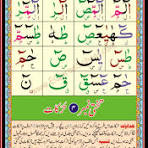
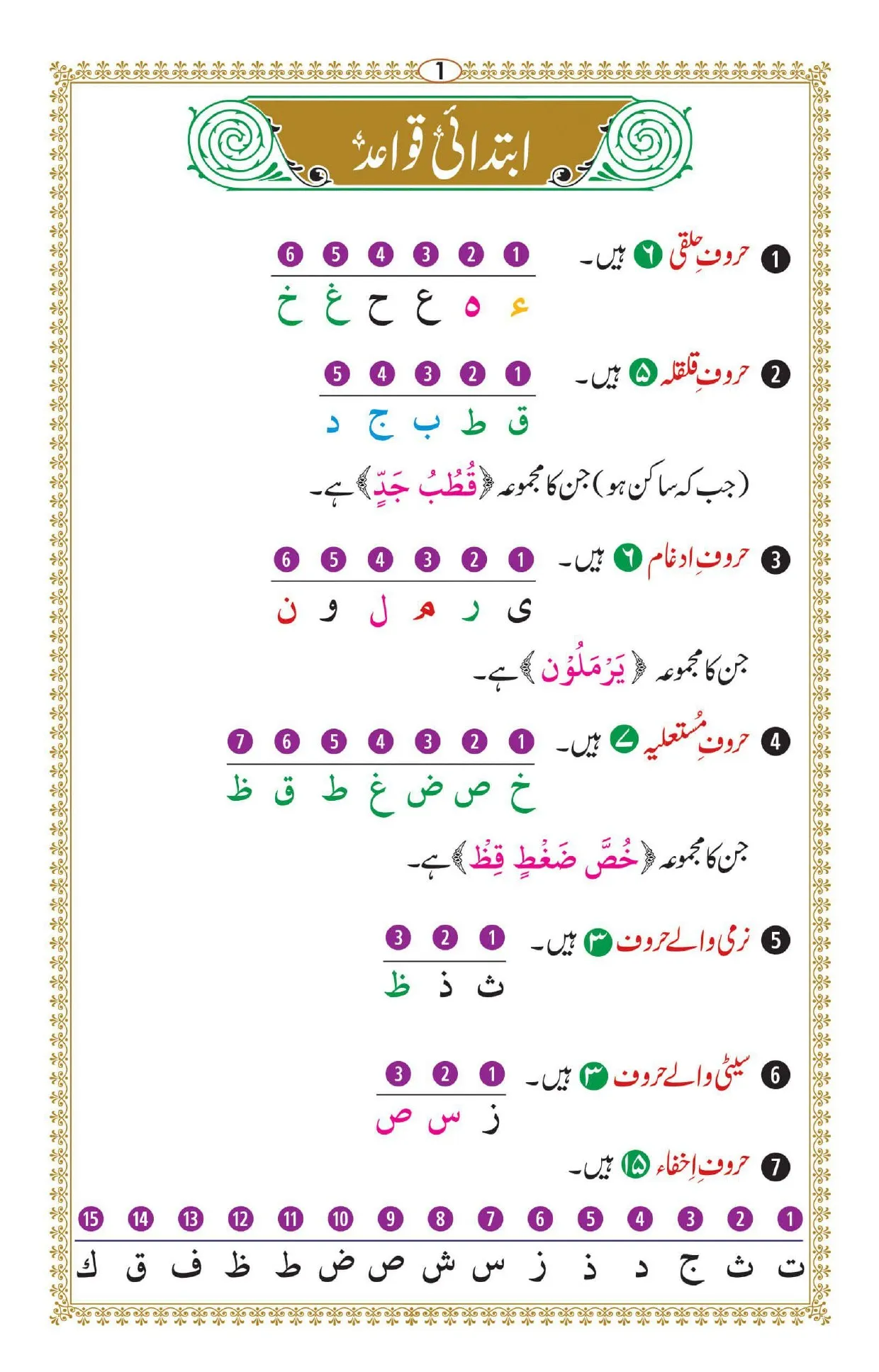
The Noorani Qaida is the essential first step for beginners of all ages to read the Holy Quran accurately. Our highly optimized online course takes you from recognizing the basic Arabic alphabet (Harfs) to fluently reading complete Quranic Ayahs. What sets our course apart is our professional, custom-built interactive reading platform. Students learn directly from high-quality, digitally mapped images of the authentic Noorani Qaida, ensuring perfect visual recognition and an engaging learning experience. With expert one-to-one guidance, we build a solid foundation so that your reading is flawless and deeply rooted in correct pronunciation.
What we teach
- Master all 28 Arabic Harfs (letters) in their isolated, beginning, middle, and end forms
- Develop perfect Makharij (articulation points) for professional and authentic pronunciation
- Understand and apply Harakat (vowels), Sukoon, Tanween, and Madd confidently
- Transition smoothly from joining individual Harfs to reading complete, blessed Quranic Ayahs
- Engage with our interactive digital Takhti (lesson) system for optimized visual learning
What your student walks away with
- Fluently read any voweled Arabic text or Quranic script without hesitation
- Identify complex joined Harfs and apply foundational Tajweed rules instantly
- Fully prepared to transition into the comprehensive Quran Reading (Nazra) course
Curriculum at a glance
| Introduction | Ibtedai Qawaid (Initial Rules and Foundation) |
|---|---|
| Takhti 1–3 | Mastering single and joined Harfs (Mufradat & Murakkabat) |
| Takhti 4–10 | Pari Harakaat, Tanween, Madd, and vertical vowels |
| Takhti 11–16 | Sukoon, Shaddah, and advanced rules for reading full Quranic Ayahs |
| Appendix | The Six Kalimas and essential daily prayers (Duas) |
Why Every Quran Reader Must Start Here
The Holy Quran is beautifully preserved in the Arabic language, and reciting its Ayahs requires precision, respect, and proper technique. Memorizing sounds by imitation is not enough; true recitation requires a deep understanding of each Harf (letter) and its unique characteristics.
Our highly optimized Noorani Qaida course eliminates the guesswork. We introduce students to a beautifully digitized, interactive version of the traditional Qaida. This means no more struggling with blurry PDFs or physical books — the exact Takhti (lesson) is rendered cleanly on your screen, ready to be studied.
A Professional, Interactive Learning Experience
We have revolutionized how the Noorani Qaida is taught online. Our custom platform displays high-resolution images of each Takhti, allowing the student and teacher to focus on the exact same Harf at the exact same time.
A typical 30-minute session involves:
- Warm-up & Revision (5 mins): Reviewing previously learned Harfs and rules to ensure total retention.
- Interactive Reading (15 mins): Exploring the new Takhti. The teacher pronounces the Harf, and the student repeats, perfecting their Makhraj (pronunciation) immediately.
- Application to Ayahs (10 mins): As the student progresses past Takhti 10, we begin applying the rules to short Quranic words and Ayahs, bridging the gap between basic letters and actual recitation.
Curriculum at a Glance: From Harf to Ayah
Our structured curriculum aligns perfectly with our interactive Takhti system:
Ibtedai Qawaid & The Basics (Takhti 1-3): The journey begins with the absolute basics. Students learn the shapes, sounds, and dots of individual and joined Harfs. Progress is careful and deliberate, ensuring letters like ع (Ayn), ح (Haa), and ق (Qaaf) are mastered perfectly.
Vowels and Flow (Takhti 4-10): Here, we introduce Pari Harakaat (vowels), Tanween, and Madd. Students learn how to connect Harfs smoothly, transforming isolated sounds into recognizable Arabic words.
Mastering the Ayah (Takhti 11-16): The final Takhtis focus on Sukoon and Shaddah—the glue that holds Quranic Arabic together. By the end of Takhti 16, students are independently reading full phrases and short Ayahs.
Six Kalimas & Prayers (Appendix): We conclude the foundation with the memorization and reading of the Six Kalimas and daily Islamic Duas, solidifying their faith alongside their reading skills.
Ready for the Quran
Completing this highly optimized Qaida course means the hardest part is over. Students graduate directly into our Quran Reading (Nazra) course, fully equipped to read the words of Allah with confidence, beauty, and precision.
Questions parents ask about this course
My child is 4 — is that too young for Noorani Qaida?
Not at all! Our interactive digital Takhti system is highly engaging for young children. We keep classes around 20-30 minutes for early learners, using repetition and visual focus to make learning the Harfs fun and memorable.
How long until the student can read actual Quranic Ayahs?
With 4–5 classes per week, a student typically masters the Qaida in 3 to 4 months. By Takhti 11, students are already reading small Ayahs and words directly extracted from the Quran.
Do adults take this course to fix their reading?
Absolutely. Many adults join to unlearn bad pronunciation habits. Our professional teachers help adults master the exact sounds of the Harfs, ensuring their recitation of Quranic Ayahs is authentic and Tajweed-compliant.
You may also like
Quran Reading (Nazra)
ناظرة القرآنRead the entire Quran from cover to cover with a live teacher correcting every line — fluency first, speed later.
5 years and up · 12–24 months for a full recitation
Quran with Tajweed
تجويد القرآنLearn the rules that make recitation correct and beautiful — from articulation points to the laws of noon and meem — and apply them verse by verse.
7 years and up · 8–14 months
Rahmani Qaidah
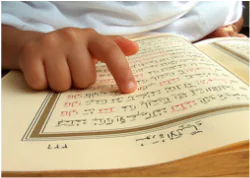
القاعدة الرحمانيةThe beloved classic of South Asian households — Arabic letters, sounds, and joining rules taught in the traditional Rahmani method by a live teacher.
4 years and up · 3–6 months